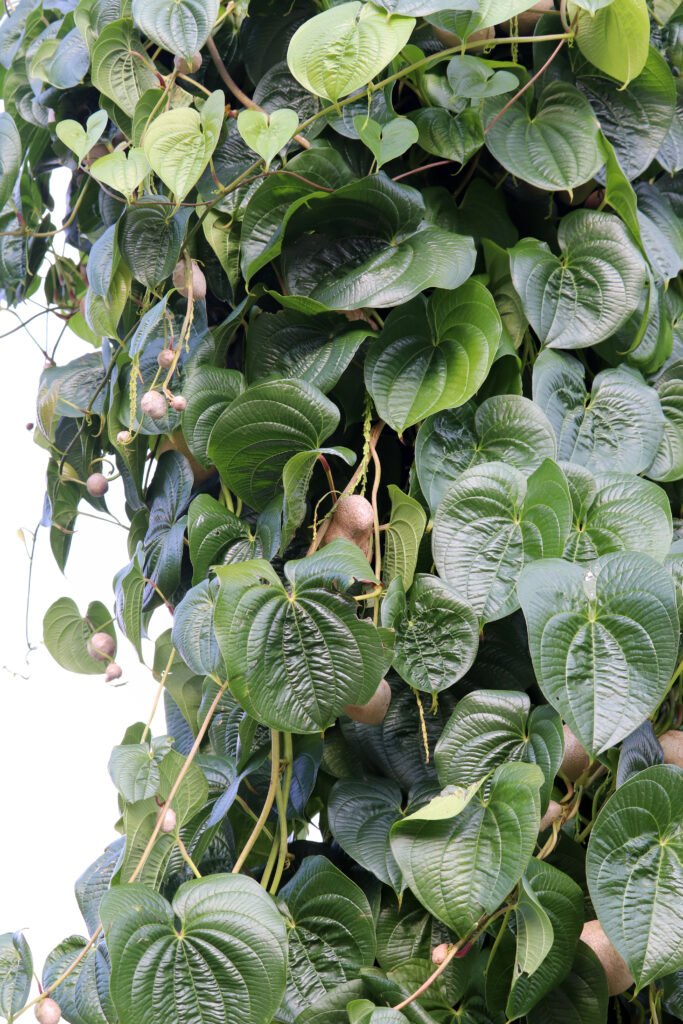
What is Chinese Yam?
Chinese yam, called huai shan or shan yao, is the dried rhizome of Dioscorea polystachya (the famous “tie gun” stick yam) or Dioscorea oppositifolia. Listed in the 2024 NHC catalog of 106 medicinal-and-edible plants, it is one of the most fundamental qi-and-yin tonics, gentle enough for daily use, suitable for children, the elderly, and convalescents.
How to Use
Congee
30-50g of fresh or dried yam simmered with rice into the universal tonic breakfast porridge (shan yao zhou). Often the first solid food introduced to babies and a staple for recovering patients.
Pork-rib soup
Yam with pork rib and red dates is the classic post-illness soup (shan yao pai gu tang). Restores strength, settles the stomach, and warms the body.
Steamed with honey
Steamed yam drizzled with honey makes a healthy snack for children and elderly, naturally sweet and easy to digest.
Stir-fried with goji
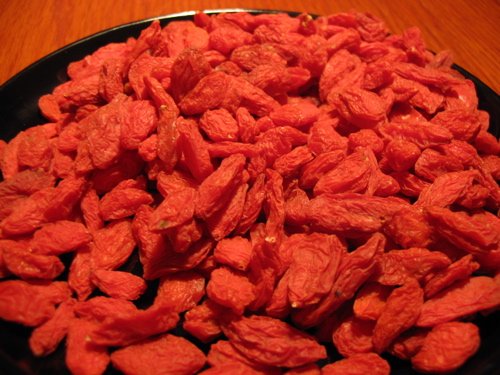
Stir-fried yam with goji (gou qi shan yao) is a popular restaurant dish: crispy outside, soft inside, and a touch of goji adds color and nutrition.
Eight-treasure porridge
An essential ingredient in eight-treasure porridge (ba bao zhou), along with red dates, lotus seed, goji, and other treasures.
How to Choose
The top grade is “Iron Stick Yam” (tie gun shan yao) from Wenxian, Henan: short, dense, with purple-red spots and a slightly sweet taste. Look for firm, heavy, undamaged rhizomes. Fresh yam keeps in a cool, dry place for one to two months; dried yam slices (huai shan pian) keep in sealed jars for one to two years. Both are equally medicinal; dried is more convenient for daily use.
Skin Tip
The mucilage from fresh yam can cause skin itch. Wash your hands with soap right after peeling. Wearing kitchen gloves helps, too.
Reflections on this herb (1)
I love this so much, everyone should give it a try, there’s a surprise!
Join the conversation and share your experience with fellow seekers.
Free to join. Reflections earn qi, and your element shows beside your name.