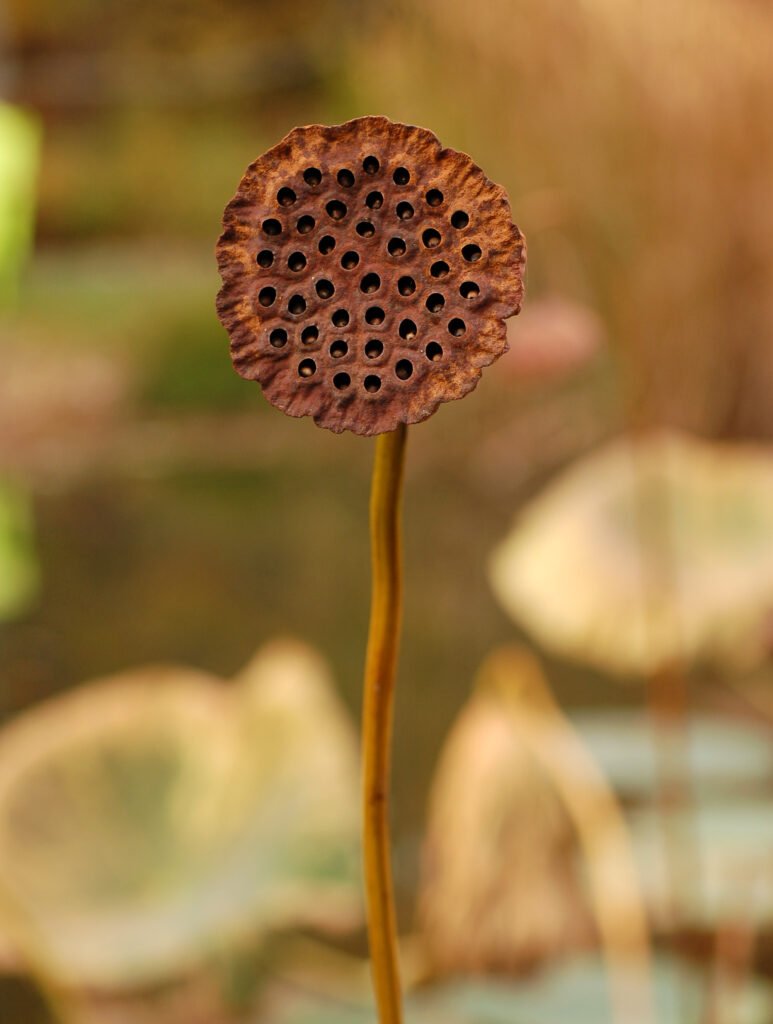
What is Lotus Seed?
Lotus seed is the dried ripe seed of Nelumbo nucifera, the sacred lotus. Listed in the 2024 NHC catalog of 106 medicinal-and-edible plants, it is one of the most revered “longevity seeds” in Chinese food culture, central to congees, dessert soups, and tonic recipes for over 3,000 years.
How to Use
Calming congee
Lotus seed with rice and longan (lian zi gui yuan zhou) makes the classic “sleepy-time” breakfast, perfect for restless minds and tired bodies.
Calming dessert soup
Stew lotus seed with lily bulb and rock sugar (lian zi bai he tang). This is the iconic soup for a frazzled heart, served warm before bed.
Eight-treasure tea
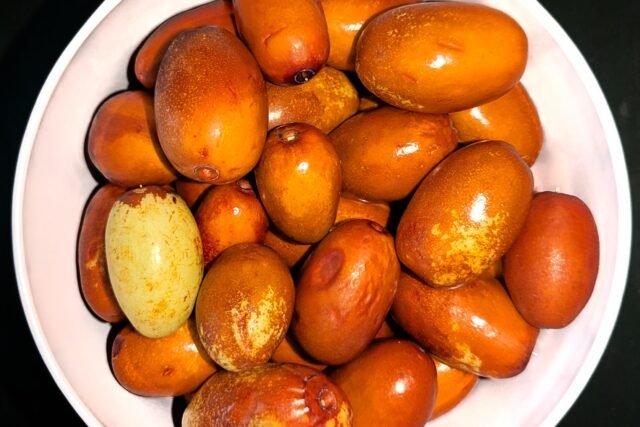
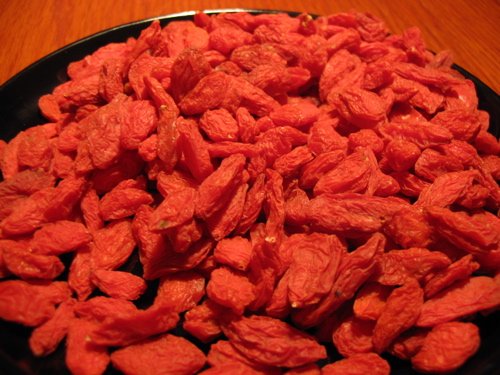
Combine with red dates, goji, longan, and rock sugar for a tonic tea that supports sleep, mood, and energy at the same time.
Cantonese soup
Essential in Cantonese-style pork-rib and lotus-seed soup, simmered for hours until the seeds break down into a soft, slightly sweet broth.
Dim sum filling
Used as the classic lotus-paste filling (lian rong) in dim sum buns, mooncakes, and pastries.
How to Choose
Top grades are Xiang Lian from Hunan and Bai Lian from Jiangxi: plump, round, white seeds with a thin skin. Avoid pre-bleached or sulfur-fumigated seeds; a simple soak test reveals them. Real lotus seeds release a faint yellow tint; chemical treatment turns the water clear and bright.
Always Pit
Remove the bitter green sprout (lian zi xin) at the center of each seed before cooking. The sprout is bitter and cold; in classical Chinese medicine it is used separately to clear heart-fire, not in everyday sweet dishes.

Be the first to reflect
Join the conversation and share your experience with fellow seekers.
Free to join. Reflections earn qi, and your element shows beside your name.